
Cybersecurity in the Age of Technology has evolved from a niche IT concern into a foundational discipline that touches every facet of modern life. As organizations embrace cloud platforms, artificial intelligence, and edge computing, the attack surface expands, demanding practical cybersecurity best practices to stay ahead of threats. This introductory guide translates complex security concepts into clear, actionable steps for individuals and teams, highlighting data protection strategies that protect privacy and integrity. By weaving daily routines with risk-aware thinking, you promote online safety while following helpful tips for cybersecurity that keep users resilient. From strong authentication to timely software updates, the discussion connects technology security with governance to build a practical, defendable security posture.
In today’s digital era, safeguarding information and systems requires a holistic approach to information security, not a one-off tool deployment. A robust program blends governance, risk management, identity and access management, and privacy by design to guide how organizations architect, deploy, and operate secure environments. Data classification, encryption, secure development practices, and continuous monitoring help teams anticipate threats and minimize potential impact. This mindset also translates to everyday life, with safe online habits, secured home networks, and prudent data handling that reduce personal risk. By aligning people, processes, and technology—often described as security by design—organizations cultivate a resilient culture that supports innovation while protecting critical assets.
Understanding the Threat Landscape in the Tech Era
The tech era has expanded the attack surface in ways that challenge traditional defenses. Cloud platforms, AI-enabled processes, edge computing, and pervasive connectivity open new avenues for compromise, from misconfigurations to targeted social engineering. Phishing schemes grow more convincing, ransomware seeks to disrupt critical operations, and supply-chain weaknesses ripple across partners. Describing these dynamics in concrete terms helps anchor security efforts in real-world scenarios and underscores why a disciplined approach to cybersecurity best practices matters for both individuals and organizations.
To translate this reality into action, everyday defenders can lean on practical, scalable steps—those that constitute the tips for cybersecurity in daily life and at scale. This means combining awareness with technical controls: practicing strong authentication, prioritizing timely software updates, and maintaining secure configurations. By embedding these behaviors into daily routines, you reinforce online safety and align personal actions with a broader strategy of technology security and risk reduction.
Shared Responsibility: Why Cybersecurity Is Everyone’s Job
Cybersecurity is not the sole duty of CIOs or security teams; it is a shared obligation across IT, finance, HR, and operations. When governance, risk, and compliance are distributed, protection becomes a living part of how work gets done rather than a detached checkbox. This tone from the top—clear accountability and accessible policies—translates into action across the organization and strengthens the overall security posture.
Fostering a culture of security means more than tools; it requires everyday practices and transparent incident response. By making data handling, access decisions, and vendor interactions part of standard workflows, organizations build resilience into their processes. This shared sense of online safety extends from dashboards to desks, ensuring that security considerations accompany business objectives and everyday decisions.
Cybersecurity in the Age of Technology: Core Practices for Modern Defense
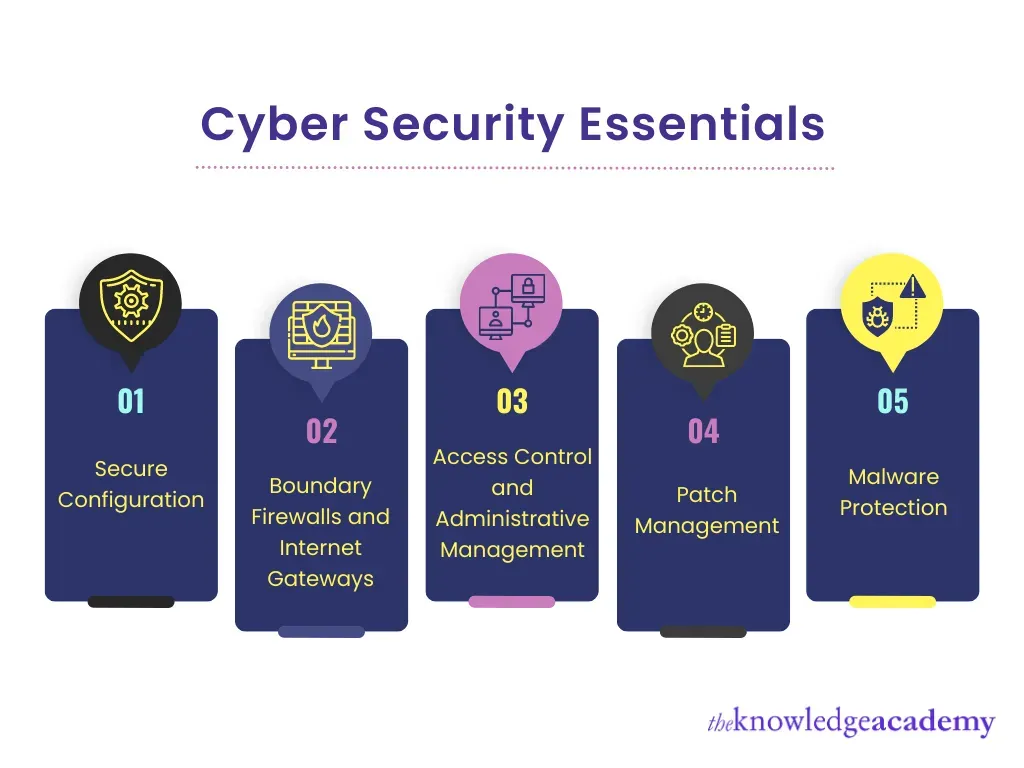
Core cybersecurity best practices form the backbone of a resilient defense as technology evolves. Implementing strong authentication, including multi-factor authentication (MFA) across critical services, creates a barrier that credential theft alone cannot breach. Coupled with robust password hygiene and a modern password manager, these measures reduce the risk of compromised access and align with established cybersecurity best practices.
A comprehensive defense also depends on routine patch management, encryption for data at rest and in transit, and strict access control. Regular backups and tested disaster recovery plans minimize downtime when incidents occur. This approach demonstrates that the goal is not perfect security but a credible, adaptable defense built on proven practices and guided by data protection strategies that scale with organizational needs.
Technology Security in the AI and Cloud Era: Governance, Risk, and Compliance
Technology security in the AI and cloud era calls for rigorous governance and continuous monitoring. Cloud Security Posture Management (CSPM) tools help identify risky defaults, enforce policy, and maintain consistent configurations across sprawling environments. This governance framework supports risk management by providing visibility and control as infrastructure grows more complex.
Data protection strategies must address data residency, classification, and lifecycle management. Implement data loss prevention (DLP) controls and consider zero-trust concepts to verify identity and device health before granting access. By integrating security with privacy, usability, and product design, organizations create practical, user-friendly protections that endure as technology evolves.
Everyday Cybersecurity: Practical Tips for Daily Life
Practical awareness starts with phishing recognition and ongoing training for individuals and remote workers. Learn to scrutinize sender details, suspicious links, and unusual requests for private information. Maintaining up-to-date antivirus or endpoint protection software, enabling firewall features, and safeguarding multi-device ecosystems laid the groundwork for safer daily use of technology.
A secure home network strengthens online safety in tangible ways: use a strong Wi‑Fi password, keep router firmware current, and segment networks where feasible to limit lateral movement. Small, consistent habits—regular software updates, prudent credential management, and cautious use of public networks—compound to create a more secure everyday digital life.
Secure Development and Continuous Improvement in a Digital World
Security must accompany software from inception. Secure coding practices, threat modeling, and regular security testing help prevent vulnerabilities from entering production. Shifting left—addressing security earlier in the development lifecycle—reduces costs and accelerates the path to safer software, aligning with modern IT operating models and DevOps practices.
Integrating security into development workflows requires ongoing discipline and monitoring. Automated checks during software delivery, thorough code reviews, and feedback loops keep risk in check while supporting data protection strategies and a robust technology security posture. This continuous improvement mindset ensures security evolves with the product and the organization.
Frequently Asked Questions
Cybersecurity in the Age of Technology: What are essential cybersecurity best practices everyone should follow?
Key practices include multi-factor authentication (MFA) across critical services, strong unique passwords with a password manager, regular software updates and patch management, and the principle of least privilege. Encrypt data in transit and at rest, maintain robust backups (including off-site or immutable backups), and prepare an incident response plan. Adopting these cybersecurity best practices builds a resilient foundation while keeping pace with evolving technology.
Cybersecurity in the Age of Technology: What tips for cybersecurity can individuals apply to protect their devices and data?
Start with phishing awareness training and cautious handling of suspicious emails. Enable endpoint protection and a personal firewall, keep software up to date, and secure your home network with a strong Wi‑Fi password and up-to-date router firmware. Use a password manager and enable MFA where possible to reduce risks from credential theft.
Cybersecurity in the Age of Technology: How does technology security influence access control, encryption, and protection strategies for organizations?
Apply the principle of least privilege, regularly review role assignments, and enforce strict approval workflows for elevated access. Encrypt data both at rest and in transit, and implement strong cryptographic controls for cloud and on-premises data. Pair these measures with robust backup, patching, and continuous monitoring to deter attacker movement.
Cybersecurity in the Age of Technology: What data protection strategies are most effective for data at rest, in transit, and during processing?
Classify data by sensitivity to tailor controls, apply encryption where appropriate, and implement data loss prevention (DLP) to detect exposures. Establish retention policies, automate archival processes, and protect encryption keys with separate access controls. Regular backups and tested disaster recovery procedures ensure resilience.
Cybersecurity in the Age of Technology: How can online safety be improved through practical steps and ongoing awareness?
Develop ongoing security awareness training, encourage reporting of suspicious activity, and foster a culture of accountability. Maintain updated antivirus or endpoint protection, enable firewall features, and segment networks where feasible to limit lateral movement. Adopting secure development practices and staying vigilant reduces risk in daily online activities.
Cybersecurity in the Age of Technology: Why are incident response and backups central to cybersecurity best practices, and how should they be implemented?
Prepare with an incident response plan that defines roles, communication protocols, and runbooks. Conduct regular tabletop exercises to validate readiness, verify data backups, and test recovery procedures. Align incident response and backups with CSPM, zero-trust principles, and other cybersecurity best practices to minimize downtime and data loss.
| Area | Key Points |
|---|---|
| Threat Landscape & Importance | Cybercriminals continually evolve; phishing, ransomware, and supply-chain attacks increase risk as organizations adopt cloud, AI, edge computing, and pervasive connectivity. Security must be integrated from the start and is a shared responsibility across IT, security, and business functions. |
| Identity & Access Management | Implement strong authentication with MFA on critical services; maintain robust password hygiene; use a password manager; perform regular patching and software updates to close known vulnerabilities. |
| Access Control | Enforce the principle of least privilege; periodically review role assignments; require strict approval workflows for elevated access. |
| Data Protection & Encryption | Encrypt data in transit and at rest; classify data by sensitivity; manage data residency and lifecycle; implement data loss prevention (DLP) controls. |
| Backup, DR & Incident Response | Regular, tested backups stored in multiple locations (including off-site or immutable backups); prepare incident response plans with defined roles, runbooks, and communication protocols. |
| Governance, Risk & Compliance | Use CSPM to monitor configurations and enforce policy; balance security with privacy and usability; align security with business objectives and regulatory requirements. |
| Tools & Architecture | Leverage endpoint protection/EDR, SIEM/SOAR for centralized monitoring; build a threat model; avoid excessive complexity and false positives; use content scanning and access governance as complements to training. |
| Secure Development & DevOps | Practice secure coding, threat modeling, and regular security testing; shift security left in the development lifecycle and integrate with DevOps/CI-CD. |
| Culture, Training & Day-to-Day Practices | Promote ongoing security awareness, clear accountability, leadership support, and safe reporting. Conduct regular risk assessments, phishing training, and admin of home networks and devices. |
Summary
Cybersecurity in the Age of Technology is a moving target, but its core objective remains timeless: protect people, data, and systems in a rapidly changing digital environment. By adopting practical, integrated practices—MFA and strong password hygiene, encryption, regular backups, and incident response—you create a resilient foundation while enabling innovation. A culture of security, clear governance, and the right tools ties together technology, processes, and people. When security becomes a shared responsibility embedded in daily routines, you enable trustworthy innovation and sustainable success in the age of technology.