
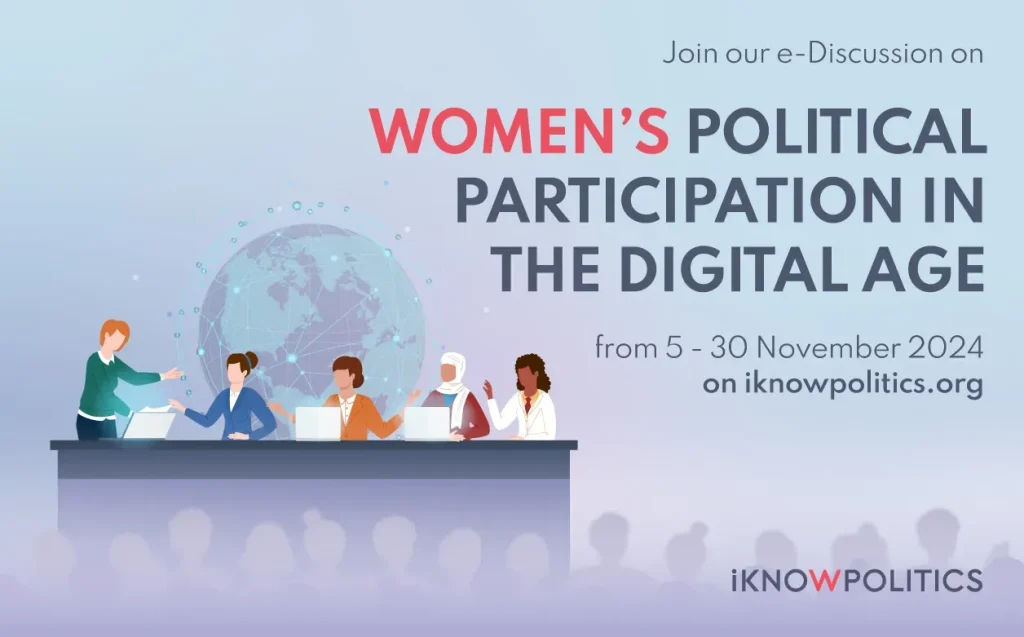
Politics in the Digital Age is reshaping how people participate in public life, how leaders are elected, and how policies are crafted, influencing every layer of civic engagement from town halls to national legislatures. With digital technologies accelerating communication, social media influence on policy has become a visible, real-time factor in public debates, shaping not only which issues rise but how they are framed and prioritized by audiences, journalists, and decision-makers. Information travels faster, narratives evolve in real time, and governance must adapt to a constant flow of data, opinions, and scrutiny, requiring new approaches to transparency, accountability, and public service delivery. The landscape of public conversation across platforms influences how citizens perceive issues and how officials respond to concerns, creating feedback loops that can empower participation or amplify misinformation if not carefully managed. This piece examines the convergence of political processes with digital tools, outlining opportunities and challenges for policy and governance in a connected world, and suggesting pathways for responsible innovation, inclusive dialogue, and resilient institutions.
Viewed through the lens of the networked public sphere, this shift signals an internet-enabled era of governance and citizen engagement that reframes what counts as legitimacy. Scholars describe digital policy-making, platform ecosystems, and data-informed decision processes that redefine accountability, oversight, and the speed at which policy lessons are learned. As debates move to social platforms and messaging channels, leaders must balance openness with safeguards that protect integrity, privacy, and fair access to information. This reframing highlights how governance adapts to connectivity, civic literacy, and inclusive participation while leveraging innovation to improve public services and trust in public institutions.
Politics in the Digital Age: How Social Media Reshapes Civic Participation and Policy Influence
The politics in the digital age has turned public life into a continuous, global conversation, where citizens access information in real time and participate from anywhere. Social media reshapes not only what people think but how they act, respond, and organize around policy issues. This era creates a dynamic feedback loop among citizens, journalists, and policymakers, where a single post can ripple through communities and trigger collective action.
As narratives travel faster and audiences multiply across platforms, governance must adapt to streams of data, scrutiny, and competing claims. Leaders and institutions face pressure to respond quickly, while citizens gain new avenues for accountability and oversight. In this environment, digital governance practices and platform accountability become central to maintaining legitimacy.
Social Media Influence on Policy: From Viral Threads to Public Priority
A single viral thread can elevate a niche issue into a political priority, shaping agenda setting and resource allocation. This is the essence of social media influence on policy: messages, frames, and leverage points cascade through networks of policymakers, interest groups, and the public.
Policymakers increasingly monitor platform signals for constituent concerns, risk indicators, and emerging trends, while officials communicate directly with citizens through official accounts. This new channel can improve legitimacy and responsiveness, but it also requires guardrails against mis and disinformation and unintended policy feedback.
From Online Political Discourse to Ground-Level Governance: Navigating Digital Platforms
The online political discourse is emotionally potent and highly shareable, expanding civic participation beyond traditional channels. Across official posts, influencer commentary, and citizen journalism, diverse voices contribute to a multidimensional public square.
Governance must translate this discourse into practical policy decisions, balancing speed with accuracy. Digital governance tools can strengthen feedback loops, but they also require safeguards against manipulation and the spread of false narratives.
Platform Regulation for a Safe, Open Digital Public Square
Platform regulation seeks to design governance mechanisms that promote accountability, protect fundamental rights, and encourage responsible innovation. Jurisdictions experiment with transparency reports, algorithmic explainability, moderation standards, and penalties for deceptive practices.
The challenge is crafting targeted, adaptable rules that respond to evolving technologies without chilling legitimate political speech or pushing activity into opaque corners of the internet. Thoughtful regulation should clarify expectations and provide redress while preserving space for civic engagement.
Political Communication Across Networks: Messages That Move Markets and Minds
Political communication now unfolds across a cross-platform ecosystem, from official communications to influencer-led narratives. The tone, framing, and timing of messages shape public perception and can influence participation in policy debates.
A pluralized public square can broaden civic engagement, yet it demands media literacy and critical evaluation of sources. Regulators, educators, and platform operators must collaborate to build skills that help citizens discern credible information without suppressing diverse viewpoints.
Digital Governance, Privacy, and Democratic Resilience in a Data-Driven Era
As data-enabled governance expands, citizens expect greater transparency about how data is collected, used, and shared by both government agencies and private platforms. Privacy protections, consent frameworks, and robust cybersecurity are foundational to democratic legitimacy.
A resilient democracy balances innovation with accountability by investing in digital literacy, transparent decision-making processes, and clear lines of responsibility. With thoughtful design, governance can harness digital tools to improve public services while protecting civil liberties.
Frequently Asked Questions
How does Politics in the Digital Age intersect with social media influence on policy?
In Politics in the Digital Age, social media influence on policy emerges through rapid messaging, issue framing, and citizen mobilization that signals policymakers about public concerns. While a viral thread can shift agendas, outcomes still depend on evidence, institutions, and political negotiation. This dynamic creates real-time feedback loops that press governments to respond quickly while balancing accountability.
What role does Politics in the Digital Age play in digital governance and data-driven policy?
Politics in the Digital Age reframes digital governance, where governments digitize records, deploy data-driven tools, and rely on platform services to deliver public goods. This enhances efficiency and targeted policy but raises privacy and accountability concerns. Effective governance requires transparent data practices and clear lines of responsibility.
How does online political discourse shape governance under Politics in the Digital Age?
Online political discourse in Politics in the Digital Age creates a plural public sphere with many voices across platforms. It broadens participation but can amplify misinformation and harmful framing. Policymaking must incorporate media literacy, verification processes, and safeguards to preserve credible dialogue.
Why is platform regulation central to Politics in the Digital Age, and how can it balance rights with safety?
Platform regulation in Politics in the Digital Age aims to promote transparency, moderation standards, and algorithmic accountability without stifling legitimate debate. Regulators should target clear rules, enforce penalties for deception, and preserve free expression while protecting public safety and trust.
How is political communication evolving in Politics in the Digital Age across official and non-official actors?
Political communication in Politics in the Digital Age is cross-platform and real-time, involving official channels, influencers, and citizen journalists. This broad participation can enrich public debate but requires accuracy, civility, and fact-checking to prevent erosion of trust.
What opportunities and challenges does Politics in the Digital Age bring for democratic participation and governance?
The era offers opportunities for broader civic participation and data-informed policy, but also challenges like manipulation, privacy risks, and information inequality. Solutions include digital literacy, transparent deliberation, and collaborative governance models that involve citizens, platforms, and policymakers.
| Aspect | Key Points | Implications / Effects |
|---|---|---|
| Digital Technologies & Social Media | Rapid feedback loop between citizens, journalists, and policymakers; information travels faster; narratives evolve in real time; governance must adapt to data, opinions, and scrutiny. | Greater scrutiny and responsiveness; more data-driven decision-making; potential information overload and need for media literacy. |
| Social Media’s Influence on Policy | Messages, frames, and pressure points propagate through networks; a viral thread can elevate issues and mobilize advocacy; officials monitor platforms and can communicate directly with citizens. | Shift in legitimacy-building and accountability; faster policy attention; risk of misperceptions or concentrated attention on sensational issues. |
| Political Communication Landscape | Cross-platform, real-time dissemination; actors include official accounts, influencers, and citizen journalists; plural public square with varied norms around civility and accuracy. | Broader civic participation but heightened risk of disinformation; need for accuracy, context, and media literacy. |
| Digital Governance & Platform Regulation | Digitizing records, data-driven policy tools, and platform-based public services; regulatory and ethical frameworks for platform operation. | Regulation should balance transparency, accountability, moderation standards, and algorithmic bias with protecting innovation and free expression. |
| Privacy, Security & Democratic Resilience | Growing demand for transparency about data collection, use, and sharing; openness in decision-making; safeguards against manipulation. | Stronger safeguards and clearer responsibility; better public deliberation; reduced risk of data-driven abuse. |
| Platform Regulation Design | Regulatory emphasis on accountability, rights protection, and responsible innovation; transparency reports; algorithmic explainability; penalties for deception. | Builds trust and clarity, but rules must be targeted and adaptable to avoid stifling legitimate speech or pushing activity underground. |
| Digital Civic Engagement | Lower barriers to entry for new voices; rapid mobilization around public issues; opportunities for more inclusive participation. | Requires higher media literacy and robust participation mechanisms to protect civil liberties while maximizing benefits. |
| Evidence-based Policy & Data Governance | Data-enabled governance to identify trends, evaluate interventions, and forecast outcomes; need to guard privacy, consent, and guard against algorithmic bias. | Can improve targeting and efficiency, but risks include inequality, erosion of trust, and biased policymaking if data is misused. |
| Path Forward & Stakeholder Collaboration | Collaboration among policymakers, technologists, journalists, educators, and the public; emphasis on transparency, openness, and digital literacy. | Strengthens democratic legitimacy and participation; ongoing dialogue and safeguards to balance innovation with public values. |
| Practical Recommendations | Policies for capacity-building, platform accountability, media literacy, and responsible participation; clear channels for feedback and redress. | Operational steps for alignment across stakeholders and ongoing evaluation of outcomes. |
Summary
Note: This table summarizes the key points from the base content about Politics in the Digital Age and how digital platforms influence governance, policy, and public participation.