Cybersecurity in a digital era has become a fundamental requirement for any organization relying on technology to operate securely. As organizations lean on a secure tech stack across on-premises and cloud environments, the importance of cloud and endpoint security becomes even clearer. To reduce risk, teams should embrace cybersecurity best practices, including data protection in the digital era, and implement defense-in-depth. A well-designed posture also emphasizes identity management, encryption, backup resilience, and continuous monitoring to catch threats early. By focusing on protecting your tech stack and applying practical steps, readers can start safeguarding assets, data, and reputation today.
In a hyper-connected business landscape, information security takes center stage as organizations align people, processes, and technology to protect critical assets. Rather than chasing a single control, leaders pursue a layered security posture that integrates identity governance, access control, and continuous threat monitoring. A modern approach emphasizes zero trust, encrypted data flows, robust patching, and resilient backup strategies to reduce blast radii. Data governance, risk assessment, and security awareness form the human-centric layer that supports technical controls. Viewed through an enterprise lens, cybersecurity becomes a never-ending cycle of evaluation, adaptation, and proactive defense across networks, endpoints, and cloud services.
Cybersecurity in a digital era: Building a resilient secure tech stack
In a digital era, cybersecurity is foundational to any organization leveraging technology for operations. A resilient secure tech stack minimizes attack surfaces by weaving together hardware, software, networks, identity management, and data protection into a cohesive defense. This approach emphasizes confidentiality, integrity, and availability (CIA) while enabling business agility, ensuring that security becomes an enabler rather than a bottleneck.
To start building this resilience, map your assets, data flows, and interdependencies. Inventorying what you have is the first line of defense, followed by applying security controls across identity, endpoints, networks, and data. Emphasize multi-factor authentication, encryption at rest and in transit, regular patching, continuous monitoring, and robust backups as core elements of a secure tech stack.
Principles for protecting your tech stack in modern enterprises
Protecting your tech stack is easiest when you embed timeless cybersecurity principles into day-to-day operations. Defense in depth, least privilege, and zero trust work together to ensure that a single failure does not compromise the entire system. Treat every access request with scrutiny, verify sessions, and enforce strong access controls across users, services, and devices.
Encryption everywhere, secure SDLC, and continuous improvement should be ongoing commitments. Protecting your tech stack means applying baseline configurations, routinely auditing for drift, and updating defenses in response to changing threats. By anchoring decisions in these principles, organizations reduce risk and accelerate secure innovation.
Data protection in the digital era: Governance, encryption, and policy
Data protection in the digital era hinges on governance, classification, retention, and preventive controls. Classify data by sensitivity, apply appropriate protection measures, and implement data loss prevention to monitor movement across endpoints, networks, and cloud services. Align protection practices with applicable regulations and industry standards to maintain trust and reduce compliance risk.
Key management and encryption play central roles in safeguarding data at rest and in transit. Use auditable, automated processes to rotate keys, enforce access controls, and ensure that sensitive information remains unreadable even if a breach occurs. Establish retention policies and deletion processes to minimize exposed data and support data governance across the organization.
Cloud and endpoint security: Coordinating defenses across environments
Cloud services introduce a shared-responsibility model where your organization remains responsible for protecting data, users, and configurations. Implement cloud security controls, including identity federation, network segmentation, encryption, and security logging, and consider a cloud access security broker (CASB) to monitor unsanctioned apps and enforce governance. A coordinated approach to cloud and endpoint security reduces misconfigurations and exposure across platforms.
Endpoints remain frequent attack vectors if not secured. Deploy endpoint detection and response (EDR) with machine learning-based detection, enforce least-privilege application control, and keep software up to date. Combine centralized monitoring and real-time analytics with threat intelligence to detect anomalies early and respond before they escalate.
Cybersecurity best practices for continuous improvement and incident readiness
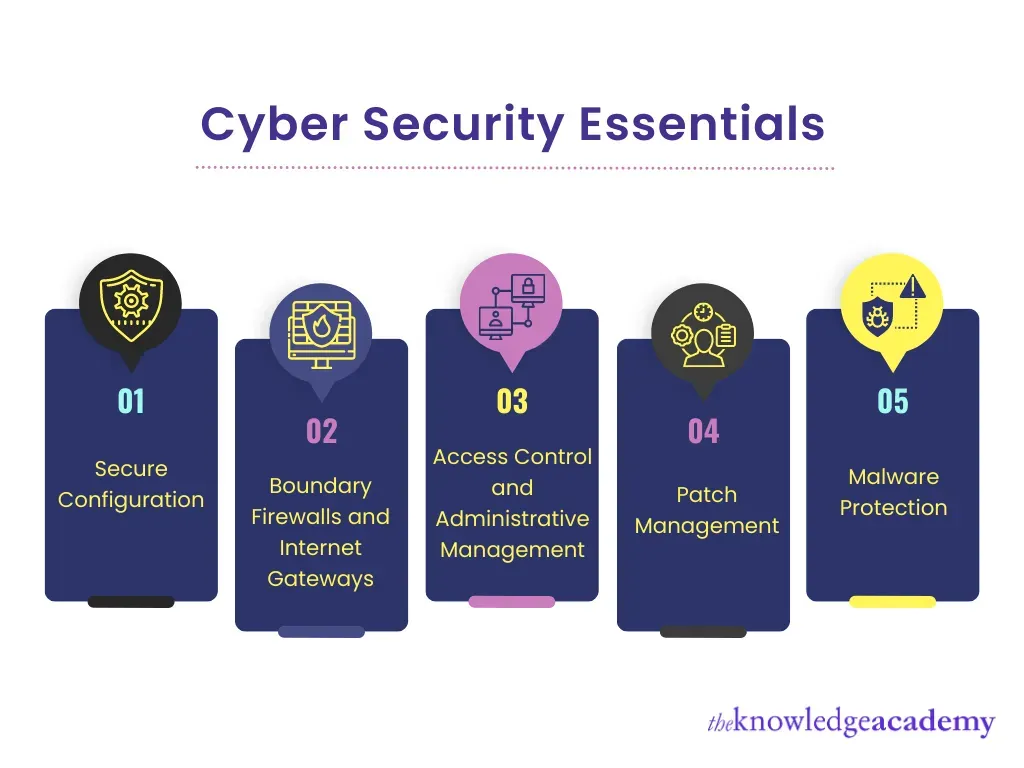
A practical set of cybersecurity best practices integrates people, processes, and technology. Start with a risk assessment to identify critical assets and map threats to those assets, then design a patch management cadence and configuration baselines to reduce exploitable gaps. Regularly train staff to recognize phishing and social engineering, reinforcing a culture of security.
Effective incident readiness requires a formal response plan, predefined roles, and clear communication protocols. Conduct tabletop exercises, maintain up-to-date runbooks, and test backups to ensure rapid recovery. Continuous improvement—through drills, audits, and lessons learned—keeps defenses aligned with evolving threats and business needs.
Building a security-aware culture: People, governance, and ongoing training
Technology alone cannot secure a digital environment; people and culture determine security outcomes. Foster accountable leadership, transparent decision-making, and ongoing security awareness to cement secure habits across the organization. When teams understand why data protection matters and how daily actions affect security, protecting your tech stack becomes a shared responsibility.
Establish governance structures, policies, and metrics that reinforce secure behavior. Integrate security into product development, project management, and vendor relations so that security becomes part of the organizational DNA. Investing in training, clear expectations, and incentives for secure practices ensures long-term resilience and alignment with the overarching goal of a robust secure tech stack.
Frequently Asked Questions
What does Cybersecurity in a digital era mean for organizations, and how does a secure tech stack fit in?
Cybersecurity in a digital era describes protecting data, systems, and users across on‑premises, cloud, and remote environments. A secure tech stack implements layered defenses—IAM with MFA, endpoint protection, encryption, network segmentation, monitoring, and backups—to reduce risk and preserve confidentiality, integrity, and availability.
How can you protect your tech stack in practice using cybersecurity best practices?
Protecting your tech stack starts with a risk‑based plan and follows cybersecurity best practices: enforce MFA and least privilege, maintain patch and configuration management, prepare an incident response plan, conduct regular backups, provide security awareness training, and continuously test defenses to close gaps.
What data protection in the digital era strategies should you prioritize to safeguard sensitive information?
Data protection in the digital era focuses on data classification, minimization, encryption with robust key management, data loss prevention controls, and retention policies aligned with applicable regulations to prevent breaches and ensure compliance.
How do cloud and endpoint security integrate into a secure tech stack?
Cloud and endpoint security are core to a secure tech stack. Leverage cloud security controls, identity federation, encryption, and monitoring; use a cloud access security broker (CASB) for governance; deploy EDR on endpoints; and maintain least‑privilege application control and timely updates.
Which steps in risk assessment, patch management, and testing support protecting your tech stack?
Adopt a practical sequence: map assets and data flows, identify critical assets, enforce strong access controls, implement a regular patch cycle, standardize configurations, run vulnerability scans and red‑team exercises, and validate backups to ensure effective recovery.
Why are zero trust and MFA essential in Cybersecurity in a digital era, and how do they reinforce your secure tech stack?
Zero trust and MFA reduce unauthorized access by validating every session. When paired with continuous monitoring and least privilege, they strengthen Cybersecurity in a digital era and bolster a resilient, secure tech stack.
| Topic |
|---|
| Understanding the Digital Era Cybersecurity Landscape |
|
Summary
A concise HTML table was created to summarize the key points of the base content in English.