
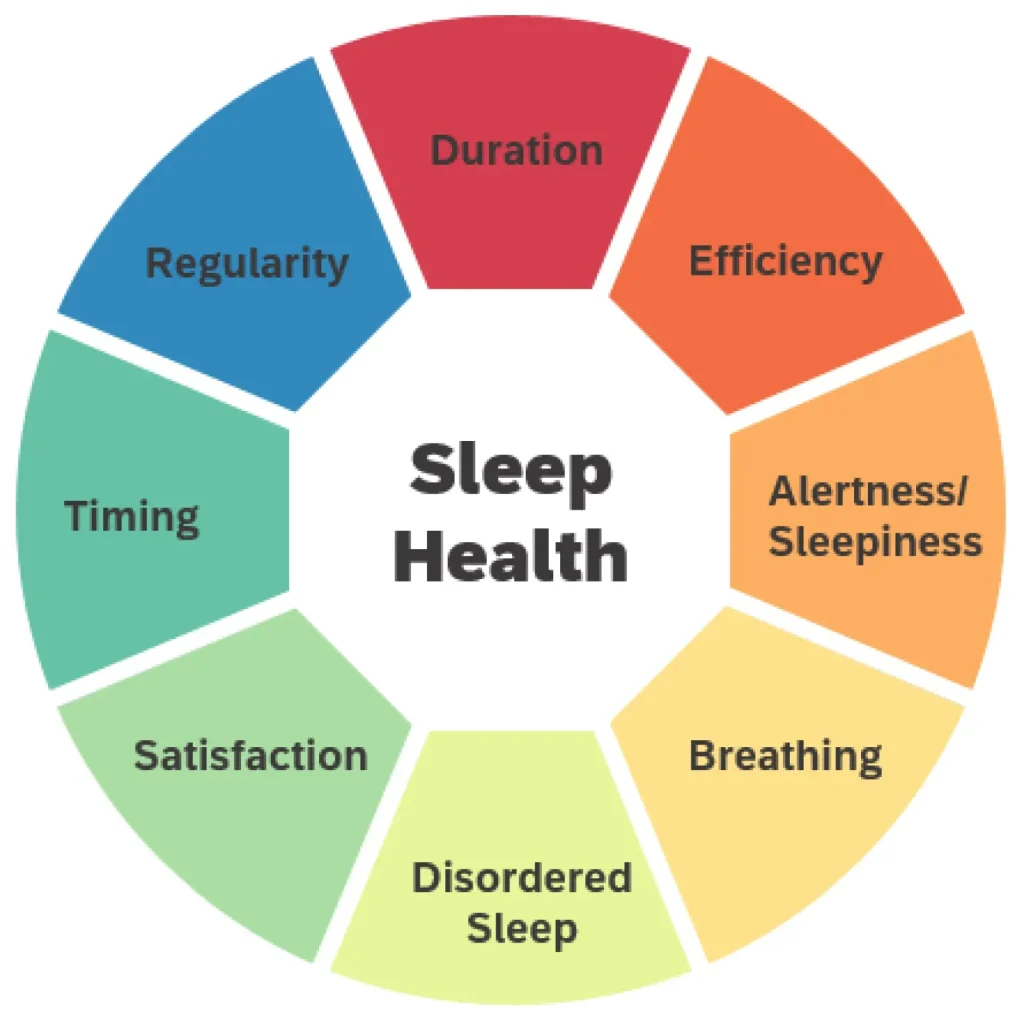
Sleep Health is more than a good night’s rest; it is a foundational pillar of energy, mood, and daily vitality. When we talk about it, we are describing how well the body and brain access restorative sleep that supports performance, memory, and recovery. Improving sleep quality, aligning your circadian rhythm, and practicing consistent sleep hygiene are practical steps you can start today. This guide shares evidence-based sleep tips and explains how deep sleep fuels immune function and daytime resilience. Prioritizing this healthful practice can lead to clearer thinking, steadier energy, and better responses to daily stress.
Beyond the term Sleep Health, the idea centers on how nightly rest aligns with your body’s internal clock. Think in terms of sleep quality, restorative sleep, and daily rhythms that influence alertness, mood, and learning. From a physiological and practical standpoint, healthy sleep means consistent circadian rhythm, regular wake times, and habits that support deep, restorative stages. In practical terms, you can strengthen this through morning light, evening wind-down, and predictable routines that fit work, study, and activity patterns.
Sleep Health Essentials: Sleep Quality, Restorative Sleep, and Circadian Rhythm
Sleep Health is built on the trio of sleep quality, restorative sleep, and circadian rhythm alignment. How well we rest shapes immune function, cognitive performance, and daily energy. When restorative sleep stages—especially deep sleep and REM—occur in a consistent pattern, we wake feeling refreshed with clearer thinking. A robust Sleep Health foundation means we don’t just log hours in bed, we experience nights that recharge body and brain, enabling sharper decision-making and steadier mood.
Translating that into everyday life means paying attention to sleep hygiene and practical sleep tips. Light exposure in the morning helps anchor circadian rhythm, while dimmed lighting in the evening cues your body toward rest. Creating an environment that supports sleep quality—cool, dark, quiet, and comfortable—directly influences how deeply you rest, the frequency of awakenings, and your morning alertness.
Building a Consistent Sleep Schedule for Better Sleep Quality and Circadian Alignment
A fixed wake time and a predictable bedtime train the circadian rhythm to expect rest at specific moments, reducing the energy cost of sleep debt. The goal is seven to nine hours of restorative sleep, but the pattern matters as much as the total hours; consistent timing supports steady sleep quality and cognitive resilience throughout the day.
Pair the schedule with a calm pre-sleep routine and thoughtful caffeine and meal timing. Regular routines, together with mindful sleep hygiene practices—such as keeping electronics out of the bedroom and using sleep tips like gentle stretching or deep breathing—create reliable signals that bedtime is near, promoting smoother sleep onset and higher restorative sleep.
Creating a Sleep-Friendly Environment to Boost Restorative Sleep
The bedroom should act as a dedicated sleep sanctuary: cool temperatures, dark curtains, and quiet surroundings reduce awakenings and strengthen sleep quality. Invest in a comfortable mattress and pillows that support proper sleep posture to nurture deep sleep stages and restorative sleep, especially in the early parts of the night.
Small environment tweaks—white noise, blackout shades, and temperature around 60-67°F (15-19°C)—can yield big dividends for sleep hygiene. Aligning your space with your circadian rhythm means clearer mornings, less grogginess, and a more consistent pattern of restorative sleep, which in turn supports daytime performance.
Daytime Habits that Enhance Sleep Quality and Mental Clarity
Regular physical activity boosts Sleep Health and sleep quality, particularly when workouts are timed earlier in the day. Exposure to bright light in the morning reinforces circadian rhythm, helping you feel alert after waking and ready for restorative sleep at night.
Nutrition and stress management also matter. Avoid heavy meals late at night and use sleep tips like journaling or mindfulness to quiet racing thoughts. By weaving balanced meals, stress-reduction routines, and consistent exercise into daily life, you support sleep hygiene and higher-quality sleep.
Managing Sleep Disruptors and Common Barriers to Sleep Health
Screen time and blue light can erode sleep quality and circadian alignment, so use blue-light filters, dim screens after sunset, and keep devices out of the bedroom when possible. Irregular schedules, noisy environments, and stress can also disrupt restorative sleep, so be proactive with sleep hygiene strategies.
When sleep disruption persists, address root causes: reduce caffeine after mid-afternoon, avoid large meals close to bedtime, and practice a calming pre-sleep routine. If snoring or gasping occurs, seek professional assessment for sleep disorders; early intervention helps protect long-term Sleep Health.
Practical Tools: Tracking Sleep Quality and Sustaining Sleep Health Long-Term
Monitoring progress with a simple sleep diary or trusted apps highlights patterns in sleep quality, circadian rhythm, and daytime energy. Regular tracking reinforces accountability and helps tailor sleep tips to your lifestyle, supporting consistent Restorative Sleep over weeks and months.
Use data to stay motivated and adjust your Sleep Health plan. Celebrate small gains in sleep quality and routine adherence, refine your sleep hygiene, and maintain a smart plan that integrates exercise, light exposure, and calming routines for lasting restorative sleep.
Frequently Asked Questions
What is Sleep Health and how does sleep quality affect overall well-being?
Sleep Health is the foundation of physical health, mental sharpness, emotional balance, and daily vitality. Sleep quality matters because it reflects how effectively you fall asleep, stay asleep, and wake up feeling rested, influencing memory, mood, and immune function. To improve sleep quality, aim for a consistent schedule, a cool, dark bedroom, and limit caffeine and screen time before bed.
How does circadian rhythm influence Sleep Health and daily energy?
Circadian rhythm is your internal clock that coordinates wakefulness and sleep with light, meals, and activity. When aligned, Sleep Health supports steady energy, sharper focus, and easier sleep onset. Practical steps include bright morning light exposure, dimming lights in the evening, maintaining a regular wake time, and reducing late-night screen use.
What practical sleep tips can boost Sleep Health and restorative sleep?
Core sleep tips include keeping a consistent sleep schedule, creating a sleep-friendly environment, and establishing a calming pre-sleep routine. These habits promote restorative sleep—deep sleep and REM—that refresh the body and support learning and mood. Start with a regular bedtime, a cool dark room, and a 10–20 minute wind-down before bed.
How does sleep hygiene contribute to Sleep Health?
Sleep hygiene encompasses behaviors that promote restful sleep, such as reserving the bed for sleep and intimate time, avoiding stimulating activities in bed, and limiting caffeine close to bedtime. Good sleep hygiene supports Sleep Health by reducing arousal and nighttime awakenings. Build a simple routine, keep devices out of the bedroom, and separate meals and workouts from bedtime.
Why is restorative sleep important for Sleep Health and how can you enhance it?
Restorative sleep includes deep sleep and REM sleep, which repair the body, regulate hormones, and consolidate learning. It’s a core pillar of Sleep Health. You can enhance it by prioritizing total sleep duration, limiting caffeine late in the day, and adopting a relaxing wind-down routine.
What role do naps play in Sleep Health, and how do they interact with circadian rhythm?
Short, early-day naps can support Sleep Health and daytime alertness, but long or late naps may disrupt circadian rhythm. If you nap, keep it to 20–30 minutes and earlier in the day, and maintain a consistent wake time to preserve rhythm. Monitor how napping affects nighttime sleep and adjust as needed.
| Aspect | Key Points |
|---|---|
| Sleep Health defined | A cornerstone of physical health, mental sharpness, emotional balance, and daily vitality; centers on restorative sleep that recovers, resets, and prepares for tomorrow. |
| Core Concepts | Sleep Architecture: cycles include light sleep, deep sleep (restorative, hormonal regulation), and REM (learning, memory, emotional regulation) with a healthy nightly pattern. |
| Circadian Rhythm | Internal clock; light exposure and routines align energy and sleep; misalignment (late-night screens, irregular wake times) disrupts Sleep Health, causing daytime fatigue. |
| Hormonal Regulation | Melatonin signals sleepiness; cortisol supports wakefulness; a healthy interplay helps smooth transition into restorative sleep and a refreshed morning. |
| Benefits | Immune function, metabolic regulation, hormonal balance, brain health; supports stress management, mood stability, and overall longevity. |
| Sleep Quality Matters | Not just hours in bed; includes ease of sleep onset, awakenings, time in restorative stages, and how you feel upon waking; higher sleep quality links to better cognition, memory, and daytime energy. |
| Practical Strategies | Establish a consistent sleep schedule; create a sleep-friendly environment; optimize light exposure; limit caffeine and heavy meals before bed; develop a calming pre-sleep routine; regular activity timed well; practice good sleep hygiene; stress management; careful napping when needed. |
| 30-Day Routine Plan | Week 1: fixed wake time and target 7–9 hours; wind down with at least 60 minutes without screens. Week 2: optimize environment (dark curtains, ~60–67°F/15–19°C, test white noise). Week 3: tweak caffeine and meals (earlier cutoff, lighter dinners; light snack if hungry). Week 4: deepen wind-down; add mindfulness or journaling; if sleep remains elusive, consult a clinician for possible sleep disorders. |
| Common Disruptors | Screen time/blue light; irregular schedules; poor sleep environment; stress and anxiety; sleep disorders—seek professional help for snoring, gasping, or persistent trouble sleeping. |
| Measuring Progress | Track bedtimes and wake times, perceived sleep quality, and daytime energy; look for patterns; focus on consistency and gradual improvements; tie sleep to daily goals. |
| Myths vs Reality | Myth: you can catch up on sleep during the weekend. Reality: irregular sleep disrupts circadian rhythm; steadiness beats binge-sleep. Myth: more sleep is always better. Reality: needs vary; quality matters; Sleep Health is about balanced sleep architecture. Myth: sleep aids like alcohol improve sleep. Reality: alcohol may feel sleepy but disrupts REM and restorative sleep. |
Summary
Sleep Health is a foundational pillar of overall well-being. When you prioritize consistent routines, a sleep-conducive environment, and evidence-based habits, Sleep Health powers your body’s recovery, supports cognitive performance, and stabilizes mood. By focusing on sleep quality, honoring your circadian rhythm, and maintaining solid sleep hygiene, you unlock restorative sleep that boosts immunity, metabolic balance, and brain health. In daily life, improved Sleep Health translates to clearer thinking, steadier energy, and greater resilience. The journey to optimal Sleep Health is ongoing, but small, steady improvements compound into lasting well-being.